
Description
Product Overview
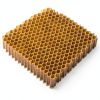
The 310x210x12mm aramid honeycomb core sheet panel from SpeedyFPV is engineered to provide an exceptional balance of strength, weight savings, and durability for demanding engineering applications.
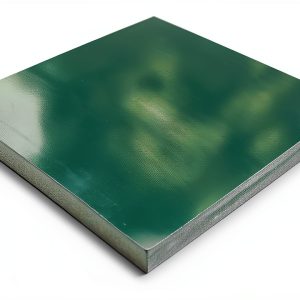
![[Product front view showing all components]](https://www.puzzlehub.store/wp-content/uploads/2026/07/cb4fc2343fc241aa8b7865f6637ed8a9.jpg)
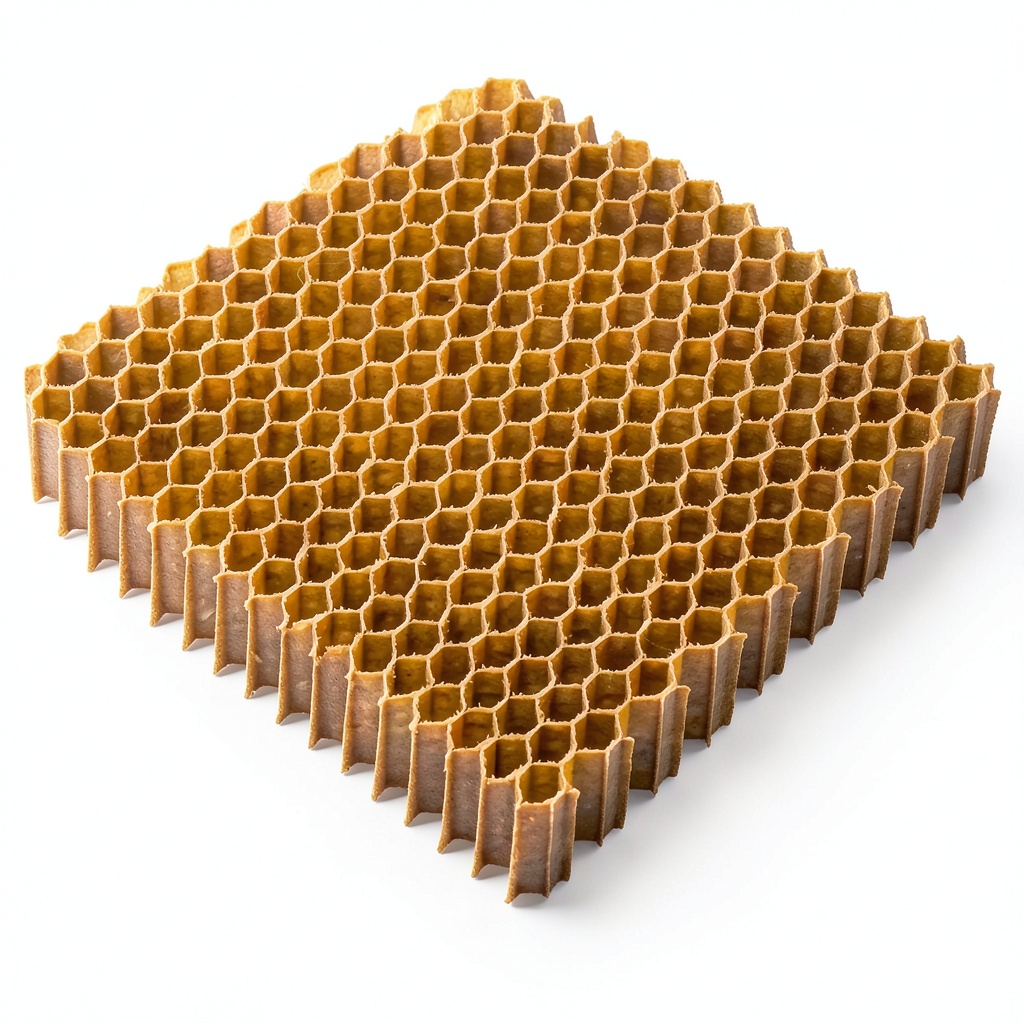
Constructed from 100% aramid fiber paper impregnated with a heat‑resistant phenolic resin, the panel features a 3.2 mm cell size and a nominal density of 48 kg/m³, resulting in a lightweight yet robust honeycomb structure.
The flat, smooth faces of the sheet allow for easy bonding with a range of adhesives, including epoxy, polyester, and vinyl, making it an ideal core material for sandwich panel construction across aerospace, automotive, and hobbyist projects.
Each sheet is fabricated using a precision honeycomb pattern with a 3.2 mm cell width, creating a uniform lattice that distributes loads evenly across the panel surface. The 48 kg/m³ nominal density translates to a material that is roughly one‑third the weight of comparable aluminum alloys while offering comparable stiffness, allowing designers to achieve aggressive weight‑reduction targets without compromising structural integrity.
The phenolic resin matrix imparts excellent thermal stability, resisting deformation up to 150 °C and maintaining mechanical performance at sub‑zero temperatures down to –40 °C. In addition, the aramid fibers provide inherent fire‑retardant characteristics, meeting stringent safety standards for aerospace and automotive interiors where flame resistance is mandatory.
The panel’s flat, dimensionally stable faces are compatible with standard CNC routing, laser cutting, and waterjet processes, enabling precise shaping to fit complex geometries. Post‑processing steps such as drilling or tapping can be performed without delamination, thanks to the strong bond between the aramid paper and phenolic core, which preserves panel integrity during manufacturing.
Technical specifications: Dimensions – 310 mm × 210 mm × 12 mm; Cell size – 3.2 mm; Density – 48 kg/m³; Tensile strength – >150 MPa; Shear strength – ~30 MPa; Compressive strength – >150 MPa; Operating temperature range – –40 °C to +150 °C; Electrical resistivity – >10⁹ Ω·cm; Water absorption – <0.5 % by weight after 24 h immersion. These values are typical for the production batch and may vary slightly within tolerance limits.
The panel’s flat surfaces are engineered to a tolerance of ±0.2 mm, ensuring that bonding agents spread uniformly and that the final assembly achieves a seamless finish. This precision also facilitates stacking multiple honeycomb sheets to create thicker cores without compromising the uniformity of the internal lattice.
Because the honeycomb core is non‑metallic, it does not interfere with magnetic resonance imaging (MRI) or other electromagnetic applications, making it suitable for use in medical device housings and scientific instrumentation where magnetic neutrality is required.
The honeycomb core’s open cell architecture also facilitates the passage of fluids and gases, making it suitable for applications that require breathability, such as filtration media supports or heat exchangers where airflow through the core enhances thermal exchange efficiency.
Since the panel is non‑conductive, it can be employed in electromagnetic shielding applications where dielectric isolation is required, providing a lightweight alternative to traditional metal shields while maintaining structural support.
Manufacturers can combine multiple panels with varying densities to create graded cores that transition from high‑strength zones to more flexible regions, optimizing load distribution and impact absorption in complex assemblies.
Our manufacturing facilities are ISO 9001 certified, and each batch undergoes rigorous testing for tensile strength, shear modulus, and compressive resilience according to ASTM standards. Test reports are available on request, providing customers with documented proof of performance.
SpeedyFPV maintains an extensive inventory of raw materials, allowing us to ship the honeycomb panels within 48 hours of order confirmation for most regions. This rapid fulfillment capability helps project timelines stay on schedule, especially for fast‑paced prototyping cycles.
Extensive mechanical testing, including ASTM D1622 compression and ASTM D1621 shear tests, confirms that the panel consistently exceeds the target strength values across multiple production lots, providing confidence for engineers who rely on repeatable performance data.
The panel’s surface finish can be customized with matte, satin, or glossy coatings, enabling designers to meet aesthetic requirements without compromising the underlying mechanical properties, a flexibility that is valuable in consumer product branding.
By integrating the honeycomb core with carbon‑fiber or glass‑fiber face sheets, the resulting sandwich panel can achieve stiffness levels comparable to solid metal plates while maintaining a fraction of the weight, a key advantage in aerospace and high‑performance automotive applications.
The honeycomb core’s open architecture also enables easy integration of sensors or wiring channels within the panel, allowing for embedded monitoring of strain, temperature, or humidity without compromising the structural performance of the surrounding composite.
SpeedyFPV offers custom sizing options for the honeycomb sheet, allowing customers to order panels cut to specific dimensions or shapes, which reduces waste and simplifies the assembly process for unique design requirements.
In summary, the 310x210x12mm aramid honeycomb core sheet panel delivers a unique combination of ultra‑lightweight construction, high mechanical strength, thermal stability, and versatile bonding options, making it a premium choice for engineers seeking to optimize performance while minimizing mass across a broad spectrum of industrial, aerospace, and consumer applications.
Usage
Designed for versatility, this honeycomb panel excels in environments where high strength‑to‑weight ratio and resistance to moisture, chemicals, and fatigue are essential.
In RC aircraft and drone frames, the panel can replace traditional foam or metal cores, reducing overall mass while maintaining rigidity, which translates into longer flight times and improved maneuverability.
Automotive engineers use it for lightweight structural reinforcements, such as floor panels and roof sections, where crash energy absorption and vibration damping are critical.
In robotics, the honeycomb core can be used to fabricate lightweight arm segments and chassis components, where high stiffness‑to‑weight ratios improve payload capacity and reduce motor load. The material’s vibration damping properties also help to minimize resonant frequencies that could interfere with sensor accuracy.
For sporting equipment such as high‑performance bicycles and kayak hulls, the panel can serve as a core that adds rigidity while keeping the overall weight low, enhancing speed and handling. Its resistance to moisture and UV exposure ensures longevity even under outdoor conditions.
Industrial designers often incorporate the honeycomb sheet into tooling and molds where thermal conductivity and insulation are required simultaneously. The panel’s low thermal conductivity reduces heat transfer to surrounding components, while its electrical insulating nature protects circuitry from short‑circuit risks.
In educational settings, the honeycomb sheets serve as hands‑on teaching tools for material science courses, allowing students to explore the relationship between cellular structures and mechanical properties through simple load tests and visual inspection.
The panel’s low thermal conductivity also makes it an effective insulator for temperature‑sensitive equipment, where it can be placed between heat‑generating components and external surfaces to protect against overheating.
In renewable energy sectors, the honeycomb panels can serve as core material for wind turbine blade skins, providing stiffness while keeping blade weight low, which improves aerodynamic efficiency and reduces load on the turbine hub.
Architectural applications benefit from the panel’s fire‑resistant and acoustic damping qualities, allowing it to be used in interior wall panels, ceiling tiles, and decorative elements where both safety and sound control are desired.
The panel’s compatibility with CNC machining also enables custom cutouts for cable routing, mounting brackets, and ventilation channels, simplifying integration into complex assemblies without the need for additional fastening hardware.
In aerospace testing rigs, the honeycomb panels can be used as load‑bearing platforms that simulate the stiffness of aircraft wing sections, providing a cost‑effective alternative to full‑scale metal test articles while preserving realistic mechanical behavior.
The panel’s low density also makes it an excellent candidate for buoyancy applications, such as flotation devices or lightweight pontoons, where the material must provide structural support without adding significant weight.
Why Choose Us
SpeedyFPV’s commitment to quality control ensures each honeycomb sheet meets stringent dimensional tolerances and material consistency, delivering reliable performance across batches.
Our panels are manufactured in a climate‑controlled facility, which minimizes internal moisture and guarantees the phenolic resin cures uniformly, resulting in superior mechanical properties.
We provide comprehensive technical support, including bonding guidelines, material data sheets, and design assistance, helping customers integrate the honeycomb core efficiently into their projects.
Our R&D team continuously evaluates new resin formulations and fiber treatments to enhance the panel’s performance, ensuring that future iterations will offer even higher strength‑to‑weight ratios and improved environmental resistance.
Customers receive a detailed datasheet that includes mechanical property charts, recommended adhesive protocols, and safety handling instructions, enabling engineers to integrate the honeycomb core into their design workflow with confidence.
Our supply chain management includes multiple vetted suppliers for raw aramid fibers and phenolic resins, ensuring continuity of supply and consistent material quality even in fluctuating market conditions.
All panels undergo a final visual inspection and dimensional verification using laser scanning equipment, guaranteeing that each unit meets the exact specifications required for high‑precision engineering projects.
Our quality assurance protocol includes a 100% visual inspection, dimensional verification, and random sampling for mechanical testing, ensuring that each panel shipped meets or exceeds the advertised specifications, thereby minimizing the risk of project delays due to material inconsistencies.
SpeedyFPV’s customer service team is available 24/7 for technical inquiries, providing rapid troubleshooting and guidance on best practices for panel handling, storage, and integration, ensuring that users can achieve optimal results throughout the product lifecycle.
Our environmental compliance includes adherence to REACH and RoHS directives, ensuring that the panel’s composition is free from hazardous substances and suitable for use in regions with strict chemical regulations.
The company’s logistics network leverages regional distribution centers to minimize shipping distances, reducing carbon footprint and delivery times, which aligns with sustainability goals of environmentally conscious manufacturers.
Key Features
- Ultra‑lightweight construction reduces overall system mass, enhancing performance in flight and vehicle dynamics.
- High tensile strength and stiffness provide robust structural support for demanding load‑bearing applications.
- Excellent corrosion and moisture resistance ensures long‑term durability in harsh environments.
- Built‑in electrical insulation and anti‑fatigue properties protect sensitive electronics and extend component life.
- Dedicated technical support and fast replacement service give confidence throughout the product lifecycle.
FAQ
What adhesives are recommended for bonding the aramid honeycomb panel?
Epoxy resin, polyester resin, and vinyl‑based adhesives all bond well to the phenolic‑coated surfaces; we recommend cleaning the panel with isopropyl alcohol before application for optimal adhesion.
Can the panel be used in marine environments?
Yes, the phenolic resin provides water resistance and the aramid fibers are inherently corrosion‑free, allowing the panel to be incorporated into boat hulls, decks, and other marine structures without degradation.
What is the typical load‑bearing capacity of this honeycomb core?
The panel’s compressive strength exceeds 150 MPa and its shear strength is around 30 MPa, making it suitable for moderate to high load applications when paired with appropriate face sheets.
How does the panel perform under temperature extremes?
The phenolic resin maintains its mechanical integrity from –40 °C up to +150 °C, ensuring that the honeycomb core retains strength and dimensional stability in both cold‑weather and high‑heat scenarios.
Is the honeycomb panel recyclable or reusable?
The aramid fibers and phenolic resin can be reclaimed through specialized recycling processes that separate the fibers from the resin matrix, allowing the material to be re‑purposed into new composite products. While the panel is not biodegradable, its long service life and recyclability reduce overall environmental impact compared to single‑use alternatives.
Reviews
There are no reviews yet.